


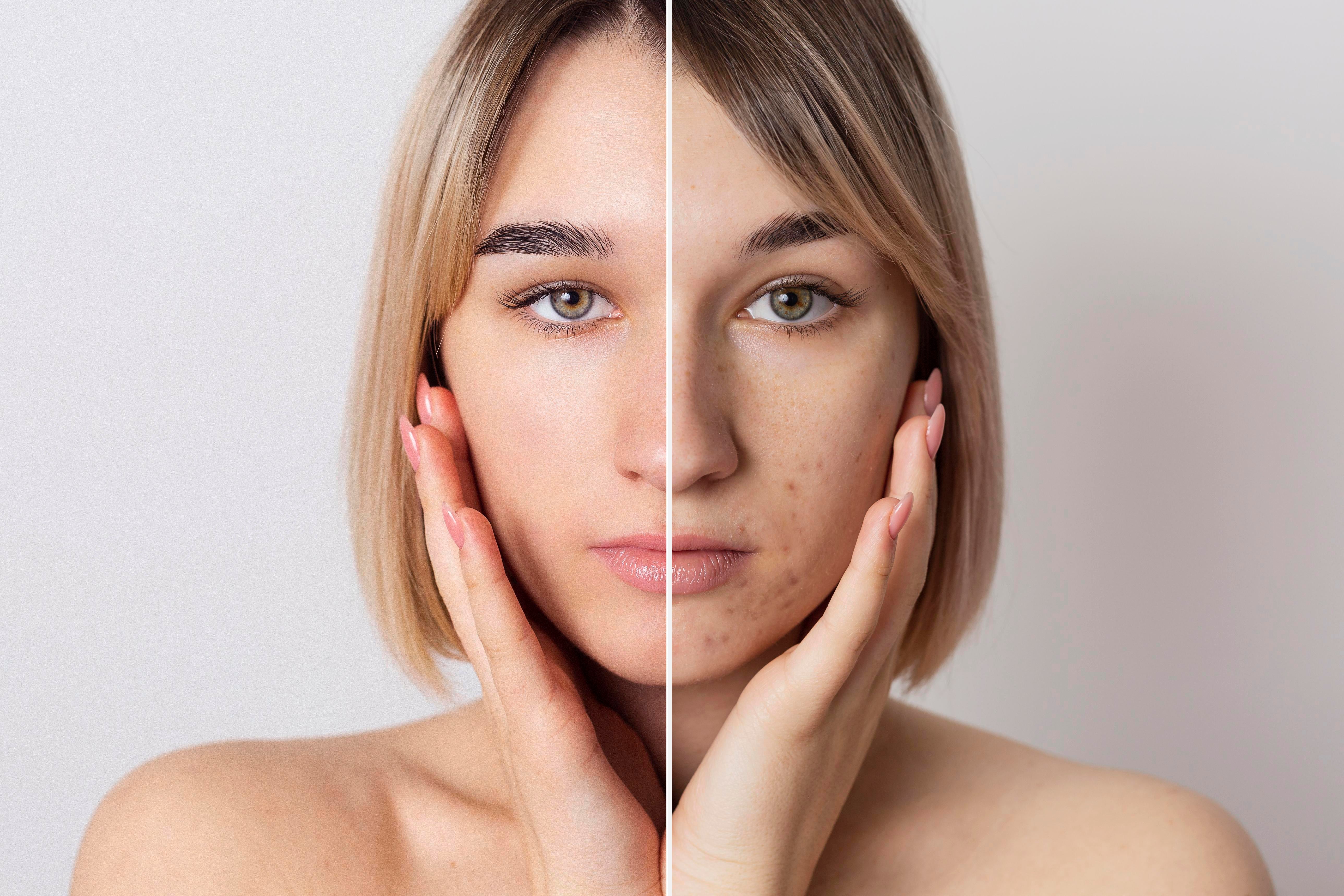
Hormonal Acne: Hormonal Imbalances - Causes and Treatment Methods Yellow Rose
What is Acne?
Acne, also known as pimples, is a skin condition characterized by the appearance of various types of lesions on the skin. These lesions can include blackheads, whiteheads, papules, pustules, nodules, and cysts. Acne typically develops due to overproduction of sebum (skin oil), clogged skin pores, bacterial infection, inflammation, and hormonal imbalance.
What types of Acne are there?
There are several different types of acne, each with its characteristic features and properties:
- Blackheads (open comedones): Form due to the clogging of skin pores that do not prevent the outward secretion of sebaceous glands.
- Whiteheads (closed comedones): Similar to blackheads, but the skin pores are completely closed, preventing the secretion of sebaceous glands.
- Papules and pustules: These are inflamed areas of skin characterized by redness and swelling. Papules usually contain a white coating, while pustules contain pus.
- Nodules and cysts: The most severe forms of acne, which include deep, large inflammatory areas, often causing painful sensations.

Hormonal Acne and its causes
Who gets hormonal Acne?
Hormonal acne is a type of acne linked to changes in hormone levels in the body. The cause of hormonal acne lies in the increase of androgen levels, such as testosterone, in the body. These hormones stimulate the sebaceous glands to overproduce sebum, which can lead to clogged pores and the development of acne. In women, hormonal imbalance can vary during different periods of life due to natural physiological processes or the influence of external factors.
Hormonal acne can occur in people of both sexes and at various ages, but is most common among teenagers during puberty and in women during different physiological periods.
- Teenagers: The teenage years are associated with significant changes in the body's hormone levels. In teenagers, an increase in sebum production is more often observed, creating conditions for the appearance of acne.
- Women during the menstrual cycle: The menstrual cycle is accompanied by changes in estrogen and progesterone levels in the female body. Before the onset of menstruation, progesterone levels increase, which can lead to increased sebum production and thus worsened acne.
- Pregnant women: During pregnancy, there is a sharp change in hormone levels in the female body, which can lead to the appearance of acne even in women who previously did not have this problem.
- Women during menopause: Menopause is accompanied by changes in hormone levels, including a decrease in estrogen levels. This can also contribute to the appearance of acne in women who previously did not have such skin problems.
- Men: In men, hormonal acne is most often associated with puberty, when the level of testosterone in the body increases sharply. This hormone stimulates sebum production, which can lead to the appearance of acne.
In summary, hormonal acne can occur in people of all ages and genders whose hormonal changes can stimulate the activity of the sebaceous glands.
Hormonal acne and its location
Hormonal acne can manifest on different parts of the body, but most often affects areas with more sebaceous glands. Here is a more detailed description of the areas where hormonal acne most often occurs:
- The face: This is the most common area for the appearance of hormonal acne. The sebaceous glands in the face are sensitive to hormonal changes and can therefore become sites of increased sebum production, clogged pores, and the development of acne.
- The neck: As an extension of the facial skin, the neck can also be susceptible to hormonal acne. Clogged pores and inflammatory processes can lead to the appearance of pimples and blackheads on the neck.
- The back: The skin on the back also contains many sebaceous glands, making it a site for the development of hormonal acne. This is particularly common in teenagers during puberty.
- The chest: Just like on the back, the skin on the chest has many sebaceous glands, making this area susceptible to the development of acne in people with hormonal imbalances.
- The chin and jawline: These areas can also be sites for the appearance of hormonal acne in women, especially during the menstrual cycle and menopause, when hormonal changes are most noticeable.
- Shoulders and upper back: For some people, hormonal acne can spread to the shoulders and upper back, especially if the sebaceous glands in these areas are more active.
These areas are the most common sites for the appearance of hormonal acne due to the higher concentration of sebaceous glands and their sensitivity to hormonal changes.
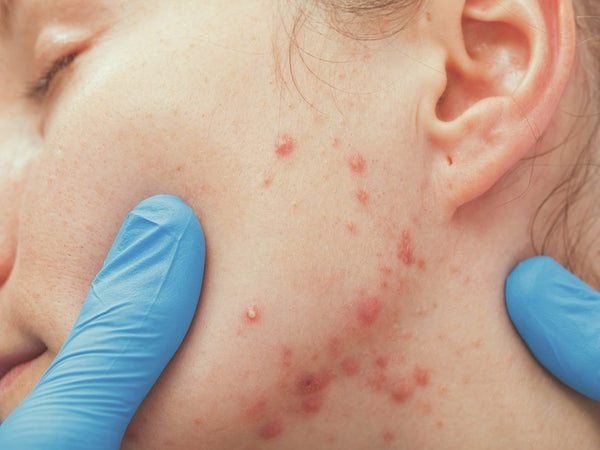
Hormonal imbalance and hormonal acne
Hormonal imbalance plays a key role in the development of hormonal acne. Hormones affect the function of the sebaceous glands and the processes of skin oil secretion, which can increase the risk of developing acne. Here is a more detailed description of the connection between hormonal imbalance and hormonal acne:
- Androgens: Androgens, such as testosterone, play a key role in the development of acne. The increase in androgen levels stimulates the sebaceous glands to overproduce skin oil. This process can lead to clogged pores and the formation of pimples and blackheads.
- Estrogens and progesterone: Estrogens and progesterone also play an important role in skin health. For example, low levels of estrogens can reduce the collagen content in the skin, making it more susceptible to inflammation and irritation. Before menstruation, progesterone levels increase, which can also stimulate skin oil production and cause exacerbated acne.
- Insulin: High levels of insulin in the body can stimulate the production of androgens, which in turn can lead to increased activity of the sebaceous glands and the development of acne. Consumption of high-carbohydrate foods, which cause a sharp increase in glucose and insulin levels in the blood, can also contribute to the development of hormonal acne.
- Stress: Stress releases stress hormones, such as cortisol, which can affect the function of the sebaceous glands and increase the risk of developing acne. Increased stress levels can also lower the immune system and worsen inflammatory processes in the skin.
- Hormonal changes during different periods of life: Hormonal changes during puberty, pregnancy, menstruation, perimenopause, and menopause can stimulate the development of hormonal acne in women. In men, similar changes can also be linked to periods of puberty.
In summary, hormonal imbalance plays a significant role in the development of hormonal acne, and understanding these connections helps to effectively manage this skin condition.
Treatment and care for hormonal acne
-
Consultation with a dermatologist or skin therapist:
Before treating hormonal acne, it is important to consult a qualified dermatologist or skin therapist to evaluate the skin's condition and hormone balance. This helps to create an individual treatment plan that considers each patient's specific needs. - Medication:
- Oral preparations: In some cases, the doctor may prescribe hormonal contraceptives, androgen blockers, or other hormonal preparations to stabilize hormone levels and reduce sebaceous gland activity.
- Topical preparations: Retinoids, benzoyl peroxide, azelaic acid, and other topical preparations can be used to clear skin pores, reduce inflammation, and control sebum production.
-
Professional procedures:
Certain procedures, such as laser therapy, microneedling, can help reduce inflammation, improve skin texture, and reduce acne breakouts. - Proper skincare:
- Cleansing: Regular washing of the face with a mild cleanser helps remove excess skin oil, makeup, and impurities, preventing clogged skin pores.
- Moisturizing: Using non-comedogenic moisturizers and oil-free products helps maintain skin moisture levels and prevent excessive sebum production.
- Sun protection: Using sunscreen helps protect the skin from ultraviolet radiation, preventing inflammatory processes and hyperpigmentation.
-
Healthy lifestyle:
Proper nutrition, moderate physical activity, stress management, and adequate sleep also play an important role in managing hormonal acne. -
Patience and consistency:
Treating hormonal acne often requires time and patience. It is important to follow professional recommendations and be consistent with skincare to achieve the best results.
In summary, a holistic approach to the treatment and care of hormonal acne, including medication, professional procedures, and proper skincare, helps to improve skin condition and reduce acne breakouts.
Daily skincare routine for hormonal acne skin
Morning care for hormonal acne:
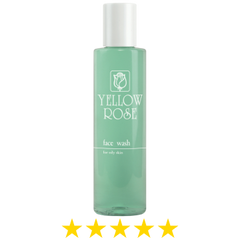
- Cleansing with eucalyptus or clarifying lotion with BHA 5%: Start your day by gently cleansing your face with Yellow Rose Face Wash. This helps remove overnight oils and prepares the skin for subsequent products.
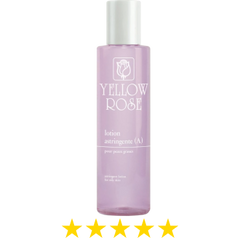
- Application of Astringent Toner: After cleansing, use Yellow Rose Astringent Toner to restore the skin's pH balance, tighten pores, and feel a refreshing sensation on the skin.
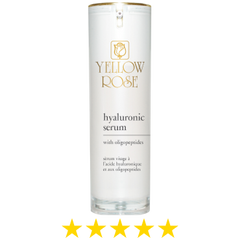
- Hyaluronic acid serum: Apply a hyaluronic acid serum for deep hydration. Hyaluronic acid helps retain moisture in the skin, reduce fine lines, and give the skin a younger appearance.
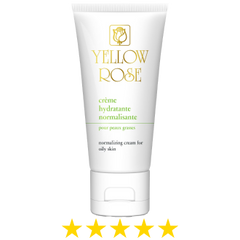
- Hydra Normalizante Cream: Finish by applying the Hydra Normalizante cream to lock in moisture and protect the skin from external influences throughout the day.
- Protection with CC Cream SPF 30: Use a CC cream with SPF 30 to even out skin tone and protect against harmful UV rays without clogging pores.

Evening care for hormonal acne:
- Double cleansing and use of toner: Cleanse your face with Face Wash and then use Astringent toner to cleanse the skin of the day's dirt, oil, and makeup.
- Hyaluronic acid serum: Apply Hyaluronic Serum in the evening to support skin recovery and hydration during the night.
- Hydra Normalizante Cream: Finish your evening care with Hydra Normalizante Cream to nourish and moisturize the skin during the night.
|
Yellow Rose
|
Yellow Rose
|
|
Yellow Rose
|
Yellow Rose
|
Weekly procedures 2-3 times a week, include one of the following procedures to improve skin texture and radiance:
- AHA chemical peel 10%: Use Yellow Rose AHA chemical peel 10% to gently remove dead skin cells, stimulate cell renewal. This can help reduce acne, fine lines, and make the skin smoother and brighter.
- Astringent or eucalyptus mask: Choose between a face mask or a eucalyptus mask to cleanse, soothe, and moisturize the skin. These masks can help reduce inflammation, control oil production, and give the skin a fresh glow.
By following this personalized skincare program with Yellow Rose products, you can effectively care for your skin, address specific skin concerns, and maintain healthy and radiant skin. Remember to be consistent with your skincare and adjust your routine as needed depending on your skin's reaction.
Combine Yellow Rose skincare with Microneedling
Microneedling is a popular dermatological procedure that uses small needles to create microscopic injuries to the skin, stimulating the skin's natural healing process. When combined with active acid treatments such as Yellow Rose AHA-gel and mesotherapy cocktails, these methods can effectively help treat hormonal acne, reduce scarring, and improve the overall appearance and quality of the skin.
How Microneedling helps with hormonal acne
- Improves Product Absorption: Microneedling increases the skin's ability to absorb active ingredients, making treatments like AHA-gel and mesotherapy cocktails more effective.
- Stimulates Skin Renewal: By stimulating collagen production, Microneedling can help reduce the appearance of acne scars and make the skin smoother and more elastic.
- Reduces Inflammation: Hormonal acne is often accompanied by inflammation. The combination of treatments can help soothe the skin and reduce inflammation.
- Regulates Sebum Production: Mesotherapy cocktails, designed for acne-prone skin, can contain ingredients that regulate sebum production and combat bacterial growth.
Application and frequency of procedures:
- Procedure frequency: The frequency of microneedling treatment procedures depends on the skin condition and the intensity of the treatment. Typically, one procedure every 4-6 weeks is recommended to achieve the best results, but your certified skin therapist can provide personalized recommendations based on your specific situation.
- Combine with home care: After a microneedling treatment procedure, the skin is more receptive to products, but also more sensitive. Use mild, moisturizing products such as hyaluronic acid serum that do not irritate the skin. Avoid products with strong active ingredients such as retinol or high concentrations of acids immediately after the procedure.
- Integration of AHA acids:
Use Yellow Rose AHA gel and mesococtails as recommended by your skincare expert. These products can be applied on the days between microneedling treatment sessions to continue treating skin texture, acne, and scars.
Important points to consider:
- Always consult a skincare expert from Victoria Grepo Akademin before starting microneedling treatment, especially if you are using specific treatment products such as AHA gel and retinol.
- Be careful with hygiene and aftercare to avoid infections and maximize healing.
- Give your skin time to recover between procedures and observe how it reacts to adjust your care plan if necessary.
By carefully integrating microneedling with Yellow Rose products into your skincare routine, you can effectively manage hormonal acne and achieve clearer, more radiant skin.
What to do if acne persists and scars appear? If you have acne scars after treating acne, it is important to know that there are several treatment options to reduce or even eliminate these scars. A combination of advanced skincare procedures such as CO2 laser resurfacing and microneedling with a meaningful skincare routine can be particularly effective in improving skin texture and appearance. Yellow Rose skincare products can support and complement these procedures by promoting healing and skin regeneration.
Treatment of acne scars:
- CO2 laser resurfacing: CO2 laser resurfacing is a fractional laser treatment that can effectively reduce scars by stimulating the skin's natural healing process and increasing the production of new collagen. This can lead to a smoother skin texture and reduced scar depth. CO2 laser resurfacing usually requires a recovery period during which the skin may be red, swollen, and sensitive.
- Microneedling: This procedure uses small needles to create microscopic injuries to the skin, which stimulates its natural healing process and increases the production of collagen and elastin. Microneedling is particularly effective for superficial scars and can improve skin texture and elasticity with minimal recovery time compared to laser procedures.
Integration of Yellow Rose skincare:
Preparation before procedure:
- Skin preparation: Use Yellow Rose products to prepare the skin for treatment. Well-cared-for and nourished skin tolerates and recovers better after treatments such as CO2 laser resurfacing and microneedling. Products rich in hyaluronic acid or soothing creams can be used to improve the skin's condition.
After treatment:
- Moisturizer: After CO2 laser treatment and microneedling, the skin is often sensitive and needs extra moisture. Yellow Rose Hydra Nutritive or Sensitive products with probiotics can help soothe and moisturize the skin during the healing process.
- Sunscreen: It is extremely important to protect the skin from the sun's rays after these procedures as the skin becomes more sensitive to daylight and not just sunlight. Use Yellow Rose Sun Care sunscreen products with SPF 50 daily to protect the skin from further damage and hyperpigmentation. Yellow Rose offers sun protection products suitable for sensitive and treated skin.
Long-term care:
- Regular use: Continue to use Yellow Rose products as part of your daily skincare routine to maintain the results of your procedures and continue to improve skin health and appearance. Products rich in antioxidants, peptides, and other regenerating ingredients can support skin regeneration and elasticity.
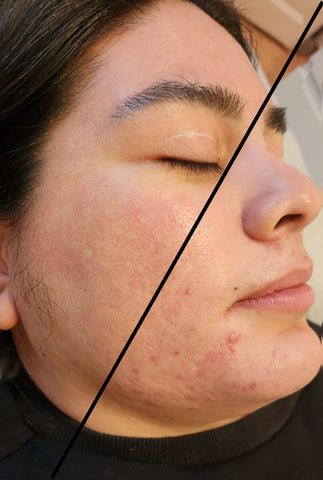
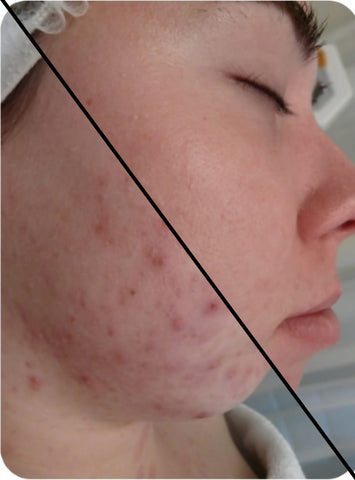
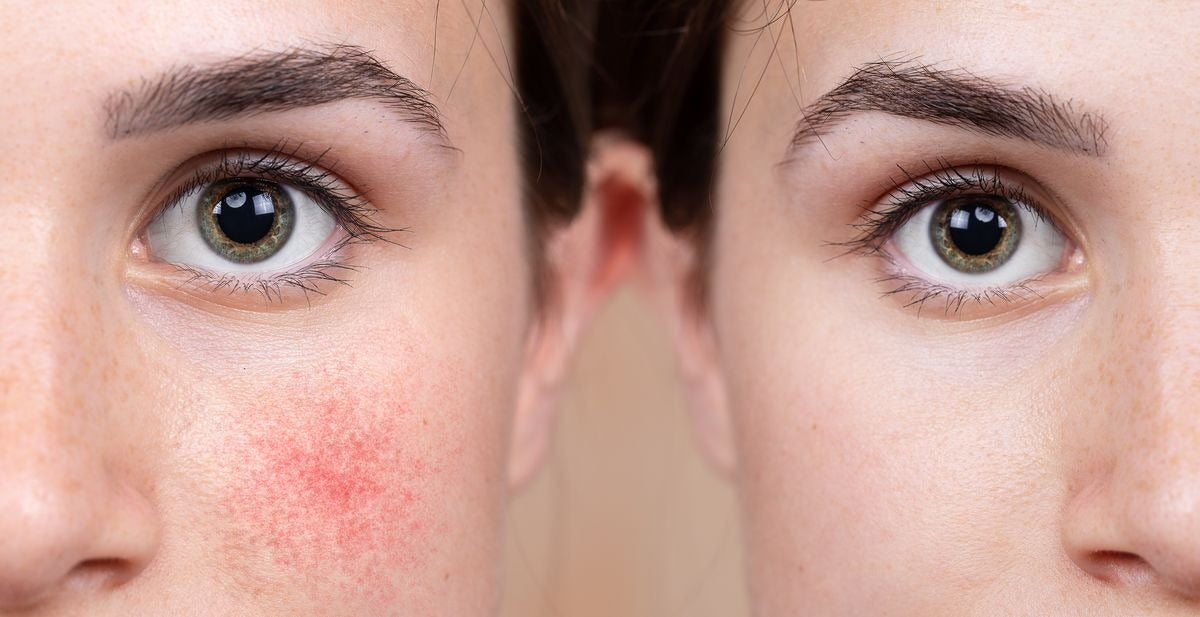
Hormonal Acne Before/After
 |
 |
Conclusion:
Hormonal acne is a condition that can have a significant impact on well-being and self-confidence. It requires a comprehensive strategy for treatment and care to achieve optimal results and restore skin health. Professional products and skincare from Yellow Rose offer effective solutions to combat hormonal acne and maintain the skin in optimal condition.
Yellow Rose cosmetics are designed using innovative technologies and active ingredients that help combat the causes of hormonal acne, reduce inflammation, decrease sebum production, and improve skin texture. Thanks to its effectiveness and safety, Yellow Rose products become an indispensable tool for managing hormonal acne problems.
It is important to remember that success in the fight against hormonal acne requires patience, consistency, and an individual strategy. By choosing skincare from Yellow Rose, you not only get high-quality products but also support and expertise that will help you achieve the desired results.
Thus, the use of Yellow Rose cosmetics in professional skincare for hormonal acne offers a reliable and effective solution for achieving clean, healthy, and well-maintained skin.

Leave a comment
This site is protected by hCaptcha and the hCaptcha Privacy Policy and Terms of Service apply.